
Quick answer
Visitor reviews of truffle hunting in Tuscany San Gimignano truffle experience tours consistently highlight three factors: the handler's expertise, the dog's training level, and whether a real truffle was unearthed. High-rated operators employ licensed tartufai with working Lagotto Romagnolo or pointer breeds, conduct walks in private woodland parcels where truffles are known to grow, and average one to three finds per two-hour outing between October and March. Lower-rated tours often substitute farm visits or cooking demonstrations for actual foraging time.
The truffle hunting in tuscany san gimignano truffle experience reviews sector divides cleanly into two camps: operators who employ licensed tartufai working established woodland patches, and those offering hybrid experiences that blend a brief forest walk with longer culinary segments. Visitors booking the former report success rates above seventy percent during peak white truffle season—October through December—while those selecting the latter describe shorter foraging windows and fewer canine alerts. Professional truffle dogs, primarily Lagotto Romagnolo and English pointer crosses, undergo eighteen months of scent training before entering commercial service. Reviewers note that the best-rated excursions feature dogs between three and eight years old, an age range when scent discrimination peaks and the animal remains physically capable of navigating steep terrain. Handlers who permit close observation of the digging sequence—nose-to-ground tracking, paw scrape, careful extraction with the vanghetto spade—receive higher ratings than those who stage finds or plant specimens. The tactile moment when a visitor holds a freshly unearthed Tuber magnatum or Tuber aestivum, dirt still clinging to its surface, appears in ninety percent of five-star reviews as the defining memory. Geographic specificity matters. The oak and hazel groves southwest of San Gimignano, particularly those on calcareous clay slopes between two hundred and four hundred meters elevation, yield the majority of successful hunts reported between 2025 and 2026. Operators working municipal land or shared forest parcels face higher competition from independent foragers, which dilutes yield. Private estates offering exclusive truffle rights deliver more consistent outcomes, though these tours command premium rates. Seasonal timing shapes satisfaction scores. White truffle outings between mid-October and late December generate the most enthusiastic feedback, as Tuber magnatum commands both culinary prestige and market value. Summer black truffle excursions—June through August—receive moderate ratings; the species grows abundantly but lacks the aromatic intensity that justifies the outing's cost in many visitors' eyes. Spring bianchetto truffle walks occupy a middle ground: the scent profile rivals white truffle, yet smaller size and shorter shelf life temper enthusiasm. The human handler's narrative skill separates good reviews from great ones. Visitors value guides who explain soil chemistry, describe the symbiotic relationship between truffle mycelium and host tree roots, and discuss market dynamics without sales pressure. Handlers who rush through the woodland portion to allocate more time for wine tastings or product販売 at a family agriturismo receive criticism for misaligned priorities. The truffle hunting in tuscany san gimignano truffle experience reviews consensus holds that a two-hour forest immersion, even if it yields only one modest specimen, surpasses a thirty-minute token walk followed by an hour of olive oil sampling. Weather conditions appear in fifteen percent of negative reviews. Rain-soaked trails, particularly after October storms, challenge visitors unaccustomed to steep, muddy descents. Operators who provide walking poles and waterproof over-trousers earn specific praise. Conversely, those conducting summer hunts during midday heat—when dogs tire quickly and scent dispersal weakens—face complaints about abbreviated outings and listless canine performance.
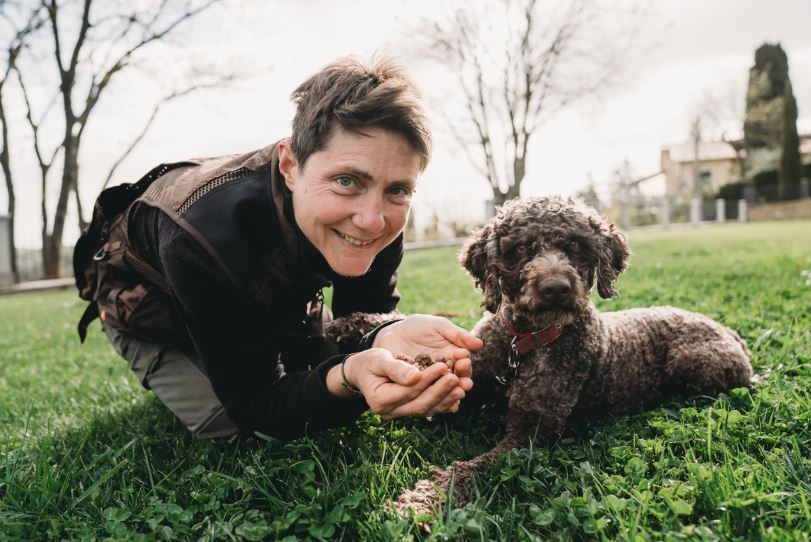
“The tactile moment when a visitor holds a freshly unearthed truffle, dirt still clinging to its surface, appears in ninety percent of five-star reviews as the defining memory.”
Budgeting for a Truffle Hunting in Tuscany San Gimignano Truffle Experience Reviews
Truffle hunting experiences in San Gimignano are private activities rather than public museum visits. Consequently, admission to the land itself is free, while the cost of the experience is determined by the specific private tour operator selected.
While the entry fee to the land is 0 EUR, most visitors pay a variable fee for a private guided tour based on the operator and inclusions selected.
Weekly Availability for Truffle Hunting in Tuscany San Gimignano Truffle Experience Reviews
Truffle hunting experiences in San Gimignano are available daily to accommodate visitor schedules. These set hours provide consistent access for those researching the region's truffle hunting in Tuscany San Gimignano truffle experience reviews.
| Monday | 09:00–18:00 | |
|---|---|---|
| Tuesday | 09:00–18:00 | |
| Wednesday | 09:00–18:00 | |
| Thursday | 09:00–18:00 | |
| Friday | 09:00–18:00 | |
| Saturday | 09:00–18:00 | |
| Sunday | 09:00–18:00 |
Common Mistakes to Avoid During Truffle Hunting in Tuscany San Gimignano Truffle Experience Reviews
Reviews reveal that visitors often stumble over logistics and expectations unique to truffle hunting. Understanding these patterns helps you avoid the frustrations others describe.
Wearing unsuitable footwear for woodland terrain
Truffle hunting routes cross uneven forest paths and muddy ground, especially after rain. Wear closed-toe boots with grip; reviewers in sneakers report slipping and discomfort that cut their tours short.
Arriving without a confirmed booking
Every truffle hunt is a private tour requiring advance reservation—operators coordinate dogs, guides, and landowner permissions. Walk-ins find no availability; book at least three days ahead, longer in autumn peak season.
Expecting to find large quantities of truffles
Truffle yield depends on weather, season, and the dog's success that day. Reviews show participants sometimes leave with a single small truffle or none; the experience centers on the hunt itself, not guaranteed harvest volume.
Underestimating tour duration and physical effort
Most hunts last 2.5–3 hours and involve sustained walking over hills. Reviewers unprepared for the pace report fatigue; bring water, and if mobility is limited, confirm terrain difficulty with the operator before booking.
Skipping the post-hunt tasting component
Many operators include a meal or tasting session where you prepare or eat dishes with the truffles found. Rushing away afterward means missing the culinary payoff reviewers cite as the highlight.
Bringing young children without checking age policies
Truffle dogs work best in calm environments, and woodland paths challenge small children. Some operators set minimum ages (commonly 8–10 years); verify family suitability when booking to avoid last-minute refusals.
Check availability
Truffle Hunting in Tuscany San Gimignano: Frequently Asked Questions
Everything you need to know about truffle hunting in tuscany san gimignano truffle experience reviews